5 Clever Ways to Prepare Your Home for a Major Furniture Upgrade
Many furniture upgrades are doomed to fail before the truck arrives. The hard part is not picking out the right sofa or hunting down the best price, it’s getting your space ready so the new pieces land right, stay well, and do a better job of making the room work. These five steps approach the transition like the logistics project it is.
Map the Room Before You Move Anything
Grab a tape measure and record all the dimensions that count: the space itself, door dimensions, hallway widths, and any stairwells or tight bends that the furniture will have to pass through on the journey from front door to final resting place. This is your logistics map, and it will spare you the agony of making the most expensive error in furniture purchasing, buying something that can’t clear your front entrance.
With the numbers in hand, painter’s tape on the floor can replicate the footprint of each new piece arriving. Lived in for a day or two, you’ll quickly see if you’ve got a scale problem. Too often, folks are wowed by a sweet pic online or in-store and bring it home sure it fits. The furniture arrives, and they discover it’s like trying to stuff three pounds of potatoes into a two-pound bag. Make sure it fits and that no flow is impeded. No app ever designed does it better than a roll of blue tape.
Build a Disposal Strategy Before the New Stuff Arrives
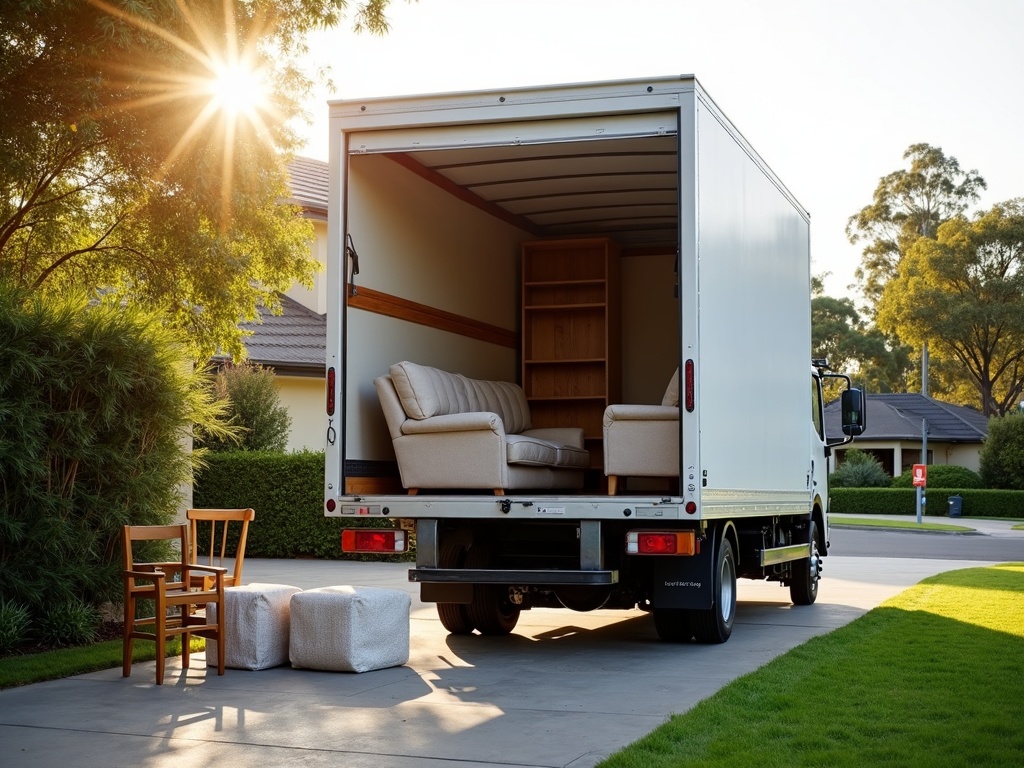
This is the step that is constantly skipped, and it’s the one that will ruin the entire upgrade. If old furniture is still in the room when the delivery arrives, you’re paying people to stand in your driveway.
Separate your current furniture into two categories: items worthy of selling or donating, and items that are broken, stained, or structurally unsound. High-quality items that you no longer need can often be donated to charities, shelters, or community organizations. That’s the first right step.
Everything else, the particle board nightstand, the futon mattress your cousin’s friend vomited on, anything that won’t survive a trip down the stairs, requires a professional clearance. A service like Furniture Removal Sydney handles the heavy lifting and ensures that pieces are responsibly disposed of, not just dumped. Nine million tons of furniture ends up in landfills every year in the US (EPA). Lead your home life responsibly by keeping your home out of that statistic.
Clean What the Furniture Has Been Hiding
When you move a heavy piece of furniture for the first time in years, it reveals a section of the room that hasn’t met a mop, a vacuum, or sunshine in a long time. Dust in baseboards becomes years deep. Carpet reveals compression memory. Walls bear scuffs you’d long since forgotten.
Clean it all before anything new is placed, as dust and dirt from old furniture will just transfer over to new upholstery. This isn’t about perfectionism: it’s about protecting your investment.
Inspect the Floor While You Have the Chance
A room without furniture is a rare event. Take advantage of it.
Walk the floor and listen for squeaks. Feel for a soft spot in the center of the room and examine open floors for wear patterns made by a decade of overcompensating heavy furniture. This is your chance to repair that floor, not after the box for that new armoire is leaning on a 2 x 4 across a stud.
If you’re replacing carpeting or refinishing hardwoods, schedule the furniture out and that flooring work at the same time. Sequencing these tasks cuts disruption significantly and means the new furniture goes onto a surface that’s actually ready for it.
Set up a Staging Area and Think About Anchor Points
Identify and create a specific clear zone in your house, a garage, a spare room, a cleared hallway, that will be the delivery dumping ground. This keeps that initial wave of chaos from flowing throughout your whole house, and it gives you space to unpack and check over each piece before it makes its way to its final room.
Once furniture is in place, think about wall anchors. Tall bookshelves, wardrobes, and dressers need to be secured to wall studs, not just placed against the wall. This is especially important in homes with kids, though it’s a good idea anywhere. Most good furniture will come with anti-tip hardware included. It takes ten minutes to install and it is not optional.
Before the room is declared done, take one more look at your circulation paths. There should be at least two feet of clearance around all your primary pieces, and the flow between doorways needs to feel natural. If you have to go single-file or turn sideways to pass from one side of the room to the other, something needs to go.
The Prep Work is the Upgrade
Buying a new couch is great. But no matter how good that new sofa looks or feels, if your living room’s not ready for it, the whole experience can turn into a giant hairball of compromise and regret. Make room (literally) for this new addition before it arrives.