
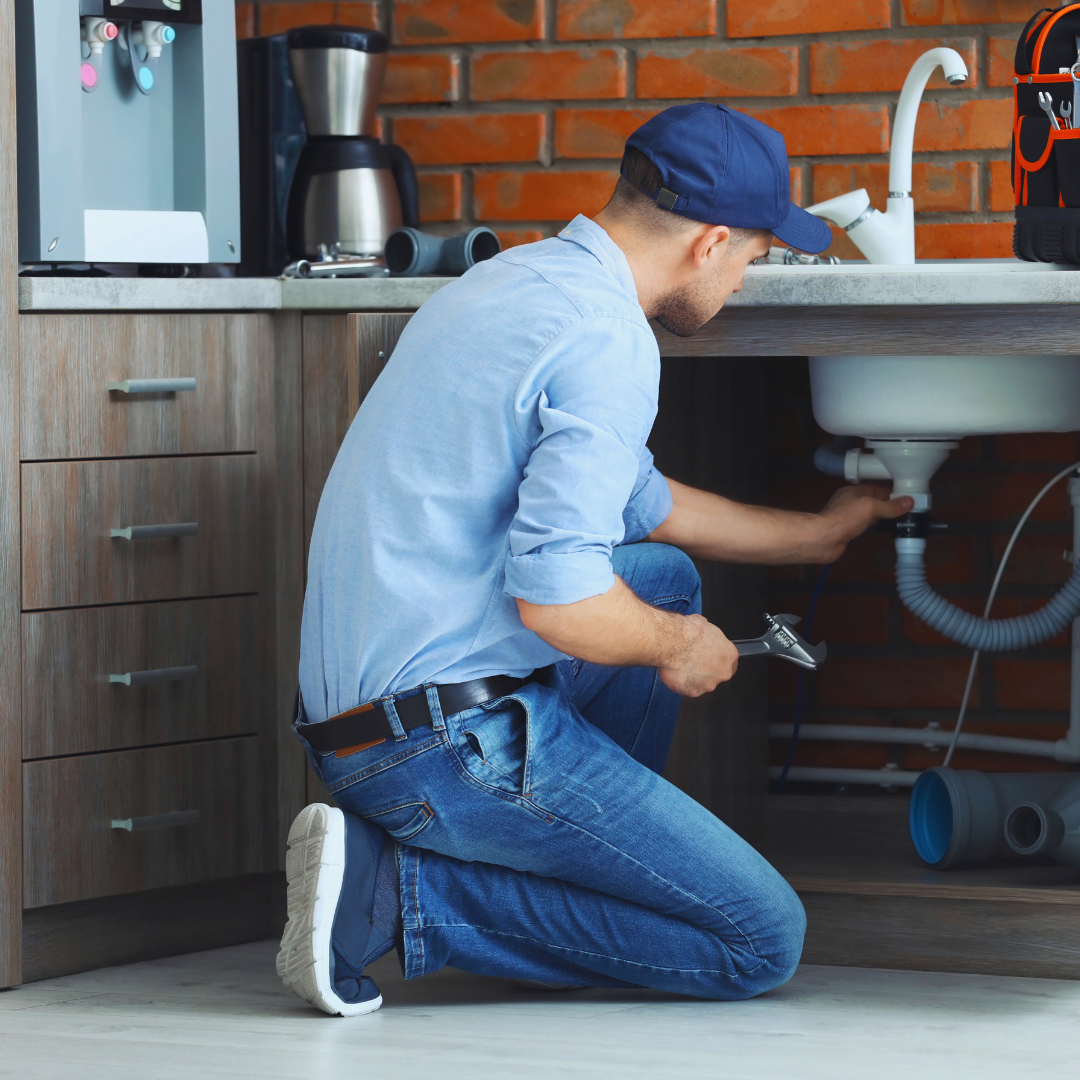
Maintaining a home can feel overwhelming for beginners, but it doesn’t have to be complicated. The best approach is to focus on simple, regular tasks that prevent bigger problems and save money over time. Knowing what to check and when makes home maintenance manageable.
This guide covers essential tips that anyone new to home care can follow. From basic inspections to seasonal tasks, these steps help keep your home safe and efficient without requiring expert skills.
By starting with straightforward habits, you’ll build confidence and protect your investment with ease. Staying consistent is key to avoiding costly repairs and maintaining comfort year-round.
Creating a Home Maintenance Schedule
Organizing maintenance tasks by frequency and importance helps prevent costly repairs. Using tools and prioritizing projects effectively ensures you stay on top of necessary work without feeling overwhelmed.
Monthly and Seasonal Tasks
Regular checks on HVAC filters, smoke detectors, and plumbing can prevent bigger problems. For example, replace HVAC filters every month or two, depending on usage, and test smoke detectors monthly to ensure they’re functioning.
Seasonal tasks include cleaning gutters in the fall, servicing the heating system before winter, and inspecting the roof in spring. These actions address weather-related wear and tear and keep your home efficient.
A simple table to track tasks might look like this:
| Task | Frequency | Recommended Month(s) |
| Replace HVAC filters | Monthly/bi-monthly | Every 1-2 months |
| Test smoke detectors | Monthly | Every month |
| Clean gutters | Seasonal | Fall |
| Service heating system | Annually | Early Fall |
| Roof inspection | Seasonally | Spring |
Digital Tools for Scheduling
Apps like Todoist, Google Calendar, or specific home maintenance apps can organize tasks and send reminders. Setting recurring reminders for monthly or seasonal work helps maintain consistency.
Digital tools also allow notes and photos, so you can track issues or maintenance history. This makes future troubleshooting easier and supports better communication if you hire professionals.
Sync calendars across devices to get alerts on the go. Some apps offer priority tagging, which helps identify urgent tasks.
How to Prioritize Maintenance Projects
Focus first on tasks that impact safety and prevent major damage, such as fixing leaks or checking electrical panels. Next, address issues that affect comfort and efficiency, like HVAC upkeep.
Create a priority list based on urgency, cost, and potential damage. Use a simple system like:
- High Priority: Safety hazards, leaks, electrical issues
- Medium Priority: HVAC servicing, appliance checks
- Low Priority: Cosmetic or minor repairs
Review and update priorities regularly. This prevents small problems from escalating into costly repairs.
Essential Maintenance Tools for Beginners
Starting a home maintenance toolkit requires choosing the right tools and knowing how to keep them organized and in good condition. Proper storage and regular care will extend the life of your tools and make home projects easier.
Basic Toolkit Must-Haves
A solid beginner’s toolkit should include essentials like a hammer, a set of screwdrivers (both flathead and Phillips), and a tape measure. These tools cover most small repairs and installations.
Add adjustable pliers, a utility knife, and a level to handle gripping, cutting, and alignment tasks efficiently. A cordless drill with drill bits can speed up work and allow for more complex projects.
Also, a small flashlight or headlamp is useful for low-light conditions. Keep these items in a portable toolbox to have everything ready for any minor fixes or improvements.
How to Store Tools Safely
Storing tools safely prevents damage and accidents. Use a dedicated toolbox or a wall-mounted organizer to keep tools off the ground and easily accessible.
Label compartments or use clear bins for small items like screws and nails. Store sharp tools separately to avoid cuts.
Keep tools dry and in a climate-controlled area to avoid rust. Avoid stacking heavy items on top of delicate tools to prevent warping or breakage.
Tool Maintenance and Care
Regular cleaning after use prevents dirt buildup and corrosion. Wipe metal parts with a dry cloth and apply a light oil coating to prevent rust.
Check for damage, such as loose handles or dull blades, before each use. Sharpen blades as needed and tighten any loose screws.
Store tools properly after every job to maintain their shape and functionality. Taking care of tools reduces the need for frequent replacements and ensures safe handling.
Routine Cleaning and Upkeep
Maintaining a clean home requires consistent attention to key areas like dust, moisture, and fabrics. Proper techniques reduce allergens, prevent damage, and extend the life of your furnishings.
Best Practices for Dusting and Vacuuming
Dust surfaces regularly using a microfiber cloth or an electrostatic duster to capture particles instead of spreading them. Start from higher surfaces and work downward.
Vacuum carpets and rugs at least once a week, focusing on high-traffic areas. Use a vacuum with strong suction and a HEPA filter to trap dust and allergens. Don’t forget to vacuum upholstered furniture and beneath cushions.
Clean vacuum filters and empty bags or bins frequently to maintain suction power. For hard floors, use appropriate vacuum attachments to avoid scratching surfaces.
Preventing Mold and Mildew
Control moisture by fixing leaks around sinks, roofs, and pipes immediately. Use exhaust fans in bathrooms and kitchens to reduce humidity levels.
Keep indoor humidity below 60% by using dehumidifiers or air conditioners if necessary. Check damp areas like basements or crawl spaces for early signs of mold growth.
Clean existing mold with a solution of water and detergent or white vinegar. For larger mold problems, consult professionals to avoid health risks and structural damage.
Carpet and Upholstery Cleaning
Spot clean spills immediately to prevent stains. Blot liquids with a clean cloth instead of rubbing, which can spread the stain.
Schedule deep cleaning every 12-18 months using steam cleaning or hot water extraction. Some fabrics may require professional cleaning; always check the manufacturer’s instructions.
Regular vacuuming extends carpet and upholstery life by removing dirt particles that wear down fibers. Rotate cushions to ensure even wear and maintain shape.
Plumbing Maintenance Basics
Proper plumbing upkeep helps avoid costly repairs and water waste. Focus on identifying leaks early, keeping drains clear, and protecting pipes from cold temperatures.
Checking for Leaks
Regularly inspect visible pipes under sinks, around toilets, and near water heaters. Look for dripping water, moisture, or corrosion on fittings. Even small leaks can cause significant damage over time.
Use food coloring in toilet tanks to detect flushing leaks. Check water meters by shutting off all water sources and watching for movement, which signals hidden leaks.
Tighten loose connections with a wrench, but avoid overtightening to prevent damage. Replace worn-out washers and seals promptly to stop persistent dripping.
Maintaining Drains and Faucets
Clear slow drains by removing debris from strainers and traps regularly. Avoid chemical drain cleaners; opt for a plunger or a drain snake for blockages.
Clean faucet aerators monthly to prevent reduced water flow. Mineral buildup can be soaked off with a vinegar solution.
Inspect faucet handles and valves for leaks or stiff operation. Lubricate stems with plumber’s grease to ensure smooth movement and replace washers if dripping continues.
Winterizing Pipes
Before freezing weather, drain outdoor hoses and shut off exterior faucets. Use insulated covers to protect exposed pipes outside.
Inside, maintain a consistent indoor temperature around 55°F (13°C) to reduce pipe-freezing risk. Open cabinet doors under sinks to allow warm air circulation.
For extra protection, wrap vulnerable pipes with foam insulation sleeves or heating tape. Early preparation prevents frozen pipes that can burst and cause water damage.
Electrical Safety and Simple Repairs
Basic knowledge of electrical safety helps prevent accidents and keeps your home functioning smoothly. Simple tasks like testing smoke detectors, changing light fixtures, and identifying hazards can be managed with the right precautions and tools.
Testing and Replacing Smoke Detectors
Smoke detectors should be tested monthly to ensure they function correctly. Press and hold the test button until you hear a loud alarm, which confirms the unit is working. Replace the batteries at least once a year or immediately if you hear intermittent beeping.
If a smoke detector is over 10 years old, replace the entire unit. Always use the type and size of battery recommended by the manufacturer. Keep detectors clean by gently vacuuming around vents to avoid dust buildup, which can affect sensitivity.
Changing Light Fixtures Safely
Turn off the power at the circuit breaker before starting any electrical work. Confirm power is off using a voltage tester on wires or the fixture terminals. Remove the old fixture carefully, noting wiring connections.
Match new fixtures with the existing wiring by color: typically, black or red wires are hot, white is neutral, and green or bare copper is ground. Use wire nuts to secure connections and tighten screws firmly. After installation, restore power and test the fixture for proper operation.
Preventing Electrical Hazards
Avoid overloading outlets by plugging in multiple high-power devices. Use power strips with built-in surge protectors for added safety. Inspect cords regularly for fraying or damage; replace worn cables immediately.
Install Ground Fault Circuit Interrupters (GFCIs) in bathrooms, kitchens, and outdoor areas to prevent shock. Keep electrical systems dry and free from clutter. When in doubt, consult a licensed electrician rather than attempting complex repairs.
Heating and Cooling System Care
Maintaining your heating and cooling system ensures optimal performance and extends its lifespan. Key tasks involve keeping filters clean, vents and ductwork free from blockages, and arranging regular professional check-ups.
Changing Filters Regularly
Filters trap dust, pollen, and debris, preventing them from circulating through your home. Dirty filters force your system to work harder, increasing energy use and risking breakdowns.
Replace or clean filters every 1 to 3 months, depending on system type and household conditions, like pets or allergies. Use the filter size specified by your system manufacturer to ensure proper fit and function. Mark calendar reminders or set phone alerts to stay consistent.
Clean filters help maintain air quality and reduce strain on the system, lowering utility bills and repair costs.
Cleaning Vents and Ductwork
Airflow efficiency depends on unobstructed vents and clean ductwork. Dust, mold, and debris buildup reduce system effectiveness and indoor air quality.
Regularly vacuum vent covers and wipe them down with a damp cloth. Check for and remove any obstructions in vents. Inspect duct seams and connections for leaks. Sealing leaks improves heating and cooling efficiency.
Consider professional duct cleaning every few years if you notice excessive dust, unusual odors, or reduced airflow.
Scheduling Professional Inspections
Annual professional inspections detect potential problems before they escalate. Technicians check components like thermostats, refrigerant levels, and electrical connections.
Inspections include cleaning coils and ensuring motors and fans operate smoothly. Scheduling inspections in spring for cooling systems and fall for heating systems prepares your home for seasonal changes.
Early detection of issues can prevent costly repairs and improve system reliability. Keep records of inspections and repairs for reference.
Exterior Maintenance and Curb Appeal
Maintaining the exterior of your home protects its structure and enhances its appearance. Regular checks and cleaning tasks help avoid costly repairs and keep your property inviting.
Roof and Gutter Inspection
Inspect your roof at least twice a year and after major storms for damaged, loose, or missing shingles. Pay close attention to areas around chimneys, vents, and skylights where leaks are common.
Clean gutters to prevent water buildup that can damage the roof edge and siding. Remove leaves, debris, and nests regularly to ensure smooth water flow. Consider installing gutter guards to reduce maintenance frequency.
Check for rust or damage on metal gutters and seal leaks with waterproof sealant. Proper roof and gutter upkeep prevents water damage, extends roof life, and protects your home’s foundation.
Lawn and Garden Upkeep
Mow your lawn consistently to keep the grass healthy and discourage pests. Set mower blades high for most grass types to promote deeper roots.
Trim shrubs and bushes to maintain shape and prevent overgrowth against the house, which can cause moisture and pest problems. Remove dead or diseased plants promptly.
Use mulch around plants to retain soil moisture, control weeds, and improve soil quality. Fertilize lawns and garden beds seasonally, based on plant types and soil conditions, for steady growth.
Power Washing Walkways
Schedule power washing for concrete or stone walkways annually or when stains become apparent. This removes dirt, algae, mildew, and oil that dull surfaces and become slippery.
Use a pressure setting between 1500 and 2500 PSI to clean effectively without damaging surfaces. Keep the nozzle moving to avoid gouging.
Apply a concrete cleaner or degreaser before washing for better stain removal. Rinse thoroughly to prevent residue buildup. Clean walkways enhance safety and increase curb appeal.
Interior Checks and Minor Repairs
Regular inspections inside the home help maintain structural integrity and improve energy efficiency. Addressing small issues like cracks, worn caulking, and squeaky doors early can prevent costly repairs later.
Fixing Wall Cracks and Holes
Small cracks and holes in walls are common and often caused by settling, moisture, or minor impacts. Start by cleaning the damaged area and removing loose debris. Use spackling paste for holes smaller than half an inch; apply with a putty knife and smooth the surface. For larger cracks, a joint compound combined with fiberglass tape offers better reinforcement.
After drying, sand the patch flush with the wall. Priming and repainting will restore the wall’s appearance. Regularly check these spots for signs of worsening damage, which may indicate structural issues.
Updating Caulking and Weatherstripping
Old or cracked caulking around sinks, bathtubs, windows, and doors lets moisture and drafts inside. Remove damaged caulk by cutting with a utility knife and scraping clean. Use a silicone-based caulk for wet areas, or acrylic latex caulk for dry zones.
Weatherstripping on doors and windows seals gaps that cause heat loss. Inspect the strips for cracks or compression; replace brittle or missing sections. Proper sealing boosts insulation and reduces energy bills. A good rule is to check these annually, especially before extreme weather seasons.
Lubricating Doors and Windows
Sticky or noisy doors and windows can wear down frames and hardware. Lubricate hinges, tracks, and locks every six months with a silicone-based lubricant or household oil. Avoid heavy grease that attracts dust.
Check alignment and tighten loose screws while lubricating. Smooth operation prevents damage and extends lifespan. If a door or window sticks persistently, it may require adjustment or weatherstripping replacement.
Preventive Pest Control
Keeping pests out of your home requires proactive steps focused on stopping their access, choosing the right control methods, and knowing when expert help is needed. Attention to structural weaknesses and careful use of traps or repellents can reduce infestations effectively.
Sealing Entry Points
Start by identifying and sealing all gaps where pests can enter. Common entry points include cracks in the foundation, gaps around windows and doors, and holes near utility pipes.
Use caulk, weatherstripping, or steel wool to close these openings. Pay special attention to areas where walls meet floors and ceilings, as well as vents and attic access points.
Sealing not only blocks pests but also improves energy efficiency. Check for damaged screens on windows and doors, and repair them promptly to maintain a physical barrier.
Safe Use of Traps and Repellents
Choose traps and repellents that fit the type of pest and avoid harmful chemicals in living areas. Mechanical traps for rodents, such as snap traps, are more targeted and safer than poisons.
Use repellents containing natural ingredients like peppermint oil or diatomaceous earth for insects. Follow label instructions carefully to avoid risks to pets and children.
Place traps in areas with signs of pest activity but away from food prep surfaces. Regularly check and clean traps to maintain their effectiveness and hygiene.
When to Call a Professional
If pest problems persist despite preventive efforts, it’s time to consult a professional pest control service. Situations requiring expert help include large infestations, aggressive pests like wasps, or damage to electrical wiring.
Professionals can perform thorough inspections, identify hidden access points, and apply treatments safely. Licensed exterminators also offer advice on long-term prevention customized to your home.
Avoid prolonged use of multiple pesticides on your own, as incorrect application can worsen the problem or cause health hazards. Early professional intervention often saves money and effort.
Record-Keeping and Budgeting for Maintenance
Keeping organized records and setting aside funds are essential steps in managing home maintenance efficiently. These practices help track what has been done, anticipate needs, and avoid costly surprises.
Tracking Maintenance History
Documenting maintenance tasks ensures you know when work was performed and what parts or materials were used. Use a simple spreadsheet or a dedicated app to log dates, descriptions, costs, and warranties.
Include details such as:
- Service provider names
- Equipment or appliance model numbers
- Receipts or invoices for repairs and replacements
This information makes it easier to spot patterns, schedule future tasks, and provide accurate records during resale or insurance claims.
Planning for Unexpected Repairs
Create a flexible maintenance budget that includes a separate emergency fund for unexpected issues. Experts recommend setting aside 1% to 3% of your home’s value annually for repairs.
Break the budget down into:
| Category | Percentage of Annual Budget |
| Routine Maintenance | 70% |
| Emergency Repairs | 30% |
Adjust these percentages based on the age and condition of your home. Regular monitoring and budgeting reduce financial stress caused by sudden repair needs.