Upgrading your home doesn’t have to drain your bank account. Simple, budget-friendly improvements can boost your space’s comfort and value without major expenses. Painting walls, updating fixtures, and enhancing curb appeal are some of the most cost-effective ways to improve your home.
Small changes like replacing cabinet hardware or adding smart lighting can make a noticeable difference. These improvements are accessible to most homeowners and often increase the home’s overall appeal.
Focusing on projects with a good return on investment helps prioritize your time and money wisely. This guide highlights practical, affordable options to refresh your home efficiently.
Benefits of Budget-Friendly Home Improvements
Budget-friendly home improvements can deliver significant value by enhancing your property’s market appeal, daily usability, and long-term upkeep costs. These practical upgrades allow you to focus resources where they matter most, without needless expenses.
Increasing Home Value Without Overspending
Affordable home improvements can increase property value efficiently. Upgrades like fresh paint, updated lighting fixtures, or improved landscaping create strong first impressions at a low cost.
Simple kitchen enhancements—such as replacing cabinet hardware or adding a modern backsplash—boost appeal without the expense of a full remodel. Buyers often appreciate well-maintained, visually attractive features that suggest care and attention.
Focusing on key rooms like kitchens and bathrooms yields the best return on investment. These improvements attract offers closer to the asking price while minimizing financial risk.
Enhancing Comfort and Functionality
Budget improvements can make a home more comfortable and usable. Adding weather stripping to doors and windows improves insulation, reducing drafts and enhancing energy efficiency.
Reorganizing storage spaces or installing affordable shelving increases room functionality. Changing lighting to LED bulbs provides brighter, more pleasant environments while lowering electricity costs.
Even minor changes, like swapping old curtains for blinds or upgrading faucets, can make daily life easier and more enjoyable. These adjustments often require minimal investment but create noticeable improvements.
Reducing Ongoing Maintenance Costs
Preventative budget upgrades reduce future repair expenses. Sealing cracks in the driveway or applying protective roof coatings extends the life of exterior materials.
Repainting wood trim and cleaning gutters regularly prevents water damage and rot, avoiding costly fixes later. Simple plumbing or HVAC tune-ups improve efficiency and stop small issues from escalating.
Maintaining systems with low-cost interventions saves money long term by catching problems early. This proactive approach protects your investment without large upfront spending.
Planning Your Affordable Home Renovations
Effective planning starts with setting clear financial limits and identifying which projects deliver the best value. Additionally, finding affordable materials can stretch your budget without compromising quality.
Setting a Realistic Budget
Begin by determining how much you can spend without affecting your financial stability. Include all expected costs, such as materials, labor, permits, and a buffer for unexpected expenses—usually 10-15% of the total budget.
Break down the costs by room or project type to track spending more easily. Using a spreadsheet or budgeting app helps keep expenses organized and visible. Avoid overestimating what you can afford; it’s better to start with a smaller, manageable budget.
Focus on projects with clear short-term and long-term benefits. This mindset prevents overspending on purely cosmetic changes that may not increase your home’s value.
Prioritizing Projects for Maximum Impact
List potential renovations based on factors like durability, visibility, and return on investment. Tackle repairs that improve safety and prevent further damage first, such as fixing leaks or electrical issues.
Next, focus on upgrades that enhance everyday life or boost curb appeal, such as repainting or updating fixtures. These changes are relatively inexpensive and improve both comfort and property value.
Consider timing and seasonality. Some projects, like exterior painting, are best done in dry weather, which could reduce cost and effort. Prioritize projects that align with your schedule to avoid delays and extra fees.
Cost-Effective Sourcing of Materials
Compare prices from multiple suppliers, including local stores, online marketplaces, and wholesalers. Bulk buying and purchasing off-season materials can lead to significant savings.
Consider alternative materials that look similar to more expensive options but are cheaper and more durable—for example, laminate flooring instead of hardwood. Use leftover or recycled materials from previous projects when possible.
Request samples to check quality before committing to large purchases. Some suppliers offer discounts on discontinued or overstock items, which can be perfect for budget renovations.
| Tips for Material Sourcing | Description |
| Buy in bulk | Lower per-unit cost |
| Shop during sales | Seasonal discounts |
| Use recycled/leftover items | Cost-saving and eco-friendly choice |
| Opt for alternative materials | Affordable and durable substitutes |
Easy DIY Upgrades for Instant Appeal
Small changes can dramatically improve a room’s appearance. Using affordable materials and simple techniques, you can refresh your home quickly without professional help. Focus on visible areas that create the most impact.
Painting Walls and Cabinets
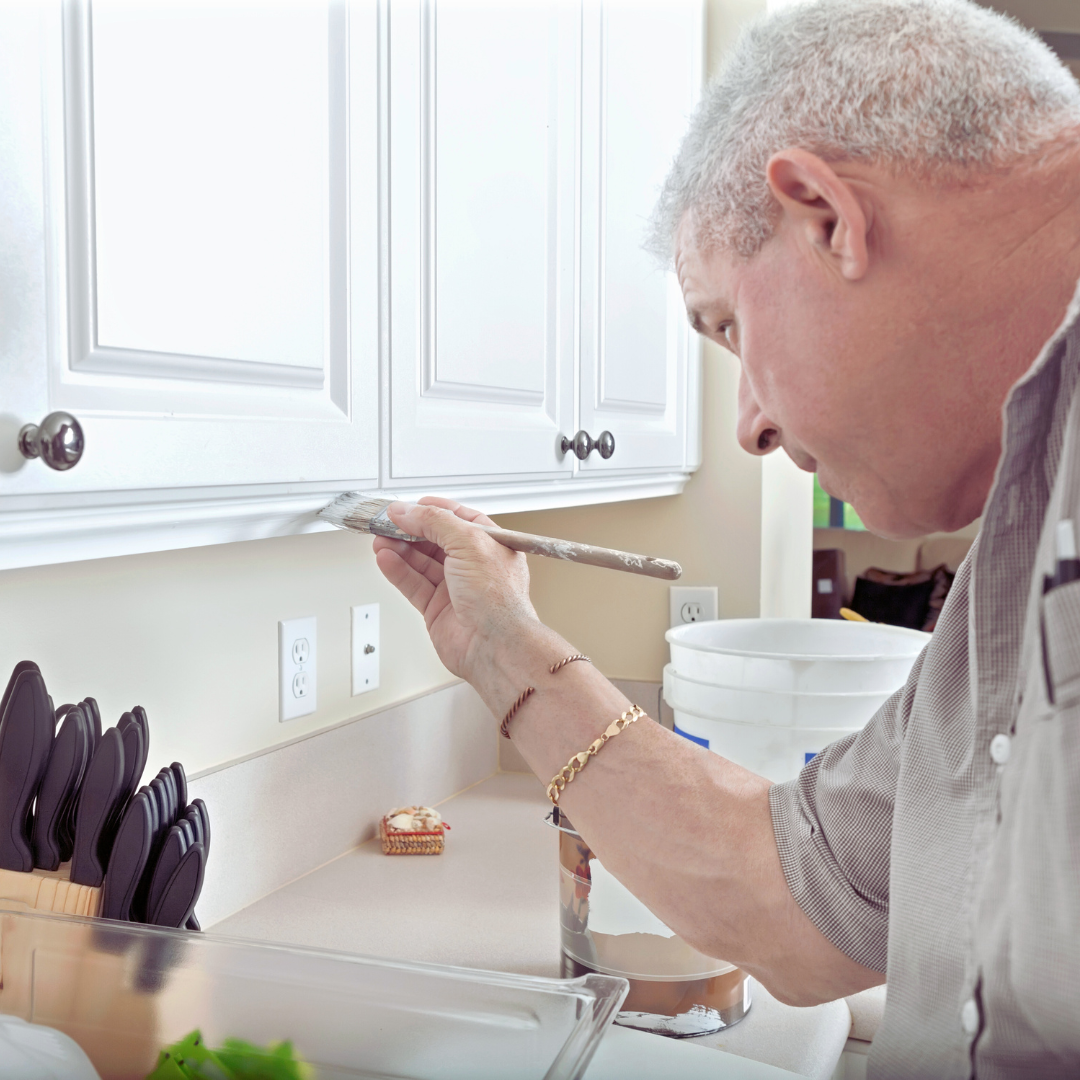
Painting is one of the fastest ways to transform a space. Choose a high-quality, washable paint for durability, especially in kitchens and bathrooms. Neutral colors like soft gray or beige offer broad appeal and increase resale value.
Preparation is key. Clean surfaces thoroughly and sand rough spots before applying primer. For cabinets, use a semi-gloss or satin finish because it resists stains and is easier to clean. A few coats with a quality brush or roller will give a smooth, professional look.
Installing Peel-and-Stick Backsplashes
Peel-and-stick backsplashes offer a mess-free update to kitchens and bathrooms without tiling. They come in various materials such as vinyl, metal, and faux stone, providing flexibility in style and texture.
Installation requires only a clean, dry, and smooth surface. Measure the area precisely to cut the pieces neatly with a utility knife. The adhesive backing sticks firmly and allows repositioning during installation. These backsplashes are water-resistant, making them practical for wet zones.
Updating Light Fixtures
Replacing outdated light fixtures can brighten rooms and modernize the overall look. Focus on areas like entryways, living rooms, and kitchens where lighting draws attention.
Choose fixtures that match your home’s style and provide the right brightness. Energy-efficient LED options reduce electricity costs. Most installations involve basic wiring and can be completed in under an hour with a screwdriver and a voltage tester. Always turn off the power before starting electrical work.
Affordable Outdoor Improvements
Simple changes can enhance your home’s outdoor appeal without a large investment. Prioritizing key areas like landscaping, lighting, and curb appeal elements can make a noticeable difference.
Refreshing Landscaping on a Budget
Start by trimming overgrown shrubs and removing dead plants to give your yard a cleaner appearance. Choose native plants that require less water and maintenance, reducing long-term costs.
Consider adding mulch or gravel around flower beds to suppress weeds and provide a polished look. Planting annuals or perennials in small quantities can add color without high expense.
DIY garden borders or stepping stones can define spaces and improve visual interest. Regularly watering and fertilizing existing plants keeps them healthy and attractive with minimal spending.
Adding Outdoor Lighting
Outdoor lighting increases safety and highlights architectural or landscape features. Solar-powered lights are cost-effective since they don’t require wiring or electricity bills.
Use path lights along walkways and driveways for visibility and appeal. Installing LED string lights or lanterns in seating areas creates an inviting atmosphere without high energy costs.
Focus on placing lights where they serve practical and decorative purposes. Motion-sensor lights near entrances enhance security and conserve energy by activating only when needed.
Installing a New Mailbox or House Numbers
A new mailbox or house numbers can improve curb appeal and make your home more identifiable. Choose durable materials like metal or weather-resistant plastic to ensure longevity.
Ensure house numbers are large and visible from the street for easy identification. Styles in black or brushed metal often complement various architectural designs.
Installation is usually straightforward and can be completed in a few hours with basic tools, making it a quick and cost-effective update.
Low-Cost Kitchen Transformations
Updating key kitchen elements can significantly improve the space without a large budget. Simple changes to hardware, countertops, and storage methods refresh functionality and appearance effectively.
Modernizing Hardware and Accessories
Replacing old cabinet knobs and drawer pulls with modern hardware is a quick, affordable upgrade. Choose finishes like brushed nickel, matte black, or brass to match current trends.
Focus on durable materials such as metal or solid wood. Swapping out faucets and light fixtures also elevates the overall look at minimal cost.
Prices for quality hardware typically range from $5 to $15 per piece. Installation is straightforward and can be done without professional help, saving money on labor.
Resurfacing Countertops
Resurfacing existing countertops extends their life and enhances their appearance without the expense of full replacement. Options include painting with specialized kits or applying adhesive laminates.
Ensure the surface is clean and smooth before starting. Epoxy coating kits offer a durable, glossy finish and come in various colors and patterns.
Resurfacing costs under $100 for a standard kitchen, making it an economical choice. The process takes 1-2 days, depending on drying times.
Open Shelving Solutions
Installing open shelves replaces bulky cabinets and adds visual lightness to the kitchen. Use sturdy materials like reclaimed wood or metal brackets for a modern, industrial look.
Shelves increase accessible storage and make frequently used items easy to reach. Decorate with neatly organized dishes, glassware, and plants for a personalized touch.
Basic open shelving kits cost between $20 and $50. Mounting requires only basic tools and minimal effort, fitting well for DIY improvements.
Budget Bathroom Enhancements
Small changes can refresh the look and feel of a bathroom without breaking the bank. Focus on practical, attractive updates that improve both function and style efficiently.
Upgrading Fixtures and Faucets
Replacing outdated faucets and fixtures is a cost-effective way to modernize a bathroom. Choose models with water-saving features to reduce utility bills over time.
Material quality matters; brushed nickel and matte black finishes provide durability and contemporary appeal. Installation can often be DIY with basic tools, making this upgrade affordable both in parts and labor.
Consider swapping cabinet hardware and towel bars to match the new fixtures. This creates a cohesive look that feels intentional and updated.
Adding Storage and Organization
Improving storage can instantly make a bathroom feel larger and more functional. Utilize vertical space with wall-mounted shelves or over-the-toilet cabinets.
Incorporate baskets or clear containers inside cabinets for better organization. This keeps daily essentials accessible without cluttering countertops.
Magnetic strips inside cabinet doors can hold small metal items like tweezers or scissors. Hooks or pegs work well for hanging robes and towels, freeing up drawer space.
Revamping Mirrors and Lighting
A new mirror can dramatically impact the room’s brightness and style. Opt for frameless designs or those with built-in LED lighting for a modern touch.
Lighting should be layered. Combine overhead lights with vanity sconces to reduce shadows and enhance visibility at the sink area.
Energy-efficient LED bulbs save money and provide clean, bright light. When replacing fixtures, check that they match the bathroom’s overall color and style for a consistent look.
Smart Home Improvements That Save Money
Saving on energy and utility bills is possible with targeted upgrades that pay off quickly. These improvements focus on reducing waste and improving efficiency without a high upfront cost. Small changes can lead to measurable monthly savings.
Installing Programmable Thermostats
Programmable thermostats allow precise control over heating and cooling schedules. By automatically lowering or raising temperatures during times when no one is home or asleep, you reduce unnecessary energy use.
Most modern models offer Wi-Fi connectivity, enabling remote adjustments via smartphone apps. This feature adds convenience and ensures settings can be corrected if plans change.
Installation typically takes less than an hour and requires only basic tools. The average cost ranges from $50 to $200, with potential energy savings between 10-15% on heating and cooling bills.
Weatherproofing Doors and Windows
Drafts around doors and windows cause heat loss in winter and heat gain in summer, increasing energy bills. Weatherproofing focuses on sealing these gaps to improve insulation.
Effective methods include installing weatherstripping, applying caulk to cracks, and adding door sweeps. Simple materials are inexpensive, usually costing under $100 for an entire home.
This step not only tightens your home’s envelope but also improves comfort by preventing cold spots and reducing noise. It requires minimal handyman skills and doesn’t alter the appearance significantly.
Switching to Energy-Efficient Bulbs
Replacing incandescent bulbs with LED or CFL bulbs decreases electricity consumption substantially. Energy-efficient bulbs use up to 75% less energy and last 10-25 times longer.
LED bulbs, in particular, produce less heat, reducing the cooling load during warm seasons. They come in various color temperatures to match any room’s lighting needs.
The upfront cost is higher (typically $2 to $10 per bulb), but the long lifespan and lowered energy bills provide quick payback. Switching bulbs can be done room-by-room to spread out the investment.
Creative Interior Decor Changes
Simple adjustments can transform your living space without significant expenses. Focusing on wall treatments, furniture layout, and decor can yield noticeable improvements.
Using Removable Wallpaper
Removable wallpaper offers a budget-friendly and flexible design option. It can easily cover outdated walls or add an accent without the commitment or mess of traditional wallpaper.
Look for patterns and textures that complement your existing color scheme. Installation requires only clean, smooth walls and careful alignment.
Peeling off damaged wallpaper is straightforward, reducing risk for renters or those who like frequent changes. Prices vary, but many quality options start under $30 per roll, making this an affordable decor update.
Arranging Furniture for Space Optimization
Rearranging furniture improves both flow and function in a room. Begin by measuring your space and furniture to identify the most efficient layout.
Place larger pieces against walls to open central walking areas. Use rugs and lighting to define zones for different activities, such as reading or conversation.
Consider multipurpose furniture to maximize space. For instance, ottomans with storage or fold-out desks can add utility without clutter.
Incorporating Affordable Artwork
Art elevates decor without a large budget if chosen thoughtfully. Explore prints from emerging artists or shop online marketplaces for unique but inexpensive pieces.
Frames can be bought cheaply or reused from thrift stores to personalize your art display. Grouping smaller pieces creates visual interest and a curated feel.
DIY artwork or photographs provide a personal touch while controlling costs. Rotating art seasonally keeps interiors fresh with minimal expense.
Maximizing Value with Small-Scale Projects
Small updates can have a significant impact on the look and feel of a home without a large investment. Targeting specific areas such as doors, flooring, and trim enhances aesthetics and can increase the home’s appeal to future buyers.
Replacing Interior Doors
Swapping out outdated or damaged interior doors is a cost-effective way to refresh a room. Hollow-core doors are budget-friendly and lightweight, while solid-core options offer better durability and sound insulation at a higher price.
Installation tips:
- Measure door frames accurately to avoid fit issues.
- Choose styles that match your home’s design, such as paneled or flush doors.
- Update hardware, like knobs and hinges, for a polished look without extra cost.
Replacing doors can improve room privacy and modernize interiors while costing between $50 to $200 per door, depending on type and finish.
Flooring Updates with Vinyl or Laminate
Vinyl and laminate flooring options offer affordable durability and a variety of styles, including wood and stone looks. Both materials resist scratches and moisture better than traditional hardwood in many cases.
Vinyl is softer underfoot and often cheaper, with prices typically ranging from $1 to $5 per square foot. Laminate provides a more authentic wood appearance and usually costs $1.50 to $6 per square foot.
Installation can be DIY-friendly with click-lock systems, reducing labor expenses. Proper subfloor preparation ensures longevity and prevents issues like lifting or warping.
Adding Crown Molding
Crown molding adds architectural interest and a sense of finish to rooms, making ceilings appear higher. Prefinished MDF or polystyrene molding are budget-friendly material that can be cut and painted easily.
Installation requires basic tools: a miter saw, nail gun, and measuring tape. Precise angled cuts are critical for clean corners, so practice or professional help might be necessary.
Adding crown molding can cost as little as $1 to $3 per linear foot for materials, making it an affordable way to elevate room style without major renovations.
Maintaining Results on a Budget
Consistent care extends the life of home improvements without high costs. Simple, planned actions prevent damage and avoid expensive repairs, preserving functionality and appearance efficiently.
Routine Cleaning and Upkeep
Regular cleaning removes dirt, dust, and debris that can degrade surfaces and finishes over time. For example, wiping down kitchen countertops daily and mopping floors weekly prevents stains and wear.
Focus on areas where grime accumulates quickly, like bathroom fixtures and entryways. Use inexpensive cleaning products with proven effectiveness, such as vinegar solutions or baking soda, to maintain cleanliness without overspending.
Set a schedule for basic tasks such as vacuuming rugs, cleaning gutters, and dusting vents to keep systems running smoothly. A checklist can help track progress and ensure no area is overlooked during routine upkeep.
Periodic Touch-Ups
Small repairs and cosmetic touch-ups keep improvements looking fresh without full replacements. Patch holes in drywall, repaint chipped surfaces, and replace caulking around sinks as needed.
Invest in quality brushes and paint to minimize future touch-ups. Address issues at the first sign of wear to stop deterioration before it worsens.
Budget-friendly supplies like primer and sealant extend job longevity. Schedule quarterly checks for fading paint or scratches on woodwork and plan minor fixes during these times.
Seasonal Inspections
Conducting inspections seasonally catches problems linked to weather changes early. In colder months, check for drafts around windows and doors; in warmer months, inspect roof shingles and outdoor drainage.
Create a brief checklist focusing on vulnerable spots: HVAC filters, foundation cracks, and plumbing leaks. Early detection saves money by preventing costly emergency fixes.
Record findings and maintenance actions taken each season. This habit enables timely, budget-conscious decisions and helps identify patterns requiring attention.