Common Roofing Materials Compared: Which is Right for Your Climate?
Choosing a roofing material based on what looks good in a catalog is how homeowners end up replacing a roof 15 years before they should. The material that survives a northern winter is often the wrong call in a hot, humid region, and vice versa. Before aesthetics, the question is performance.
Total Cost of Ownership Beats Sticker Price Every Time
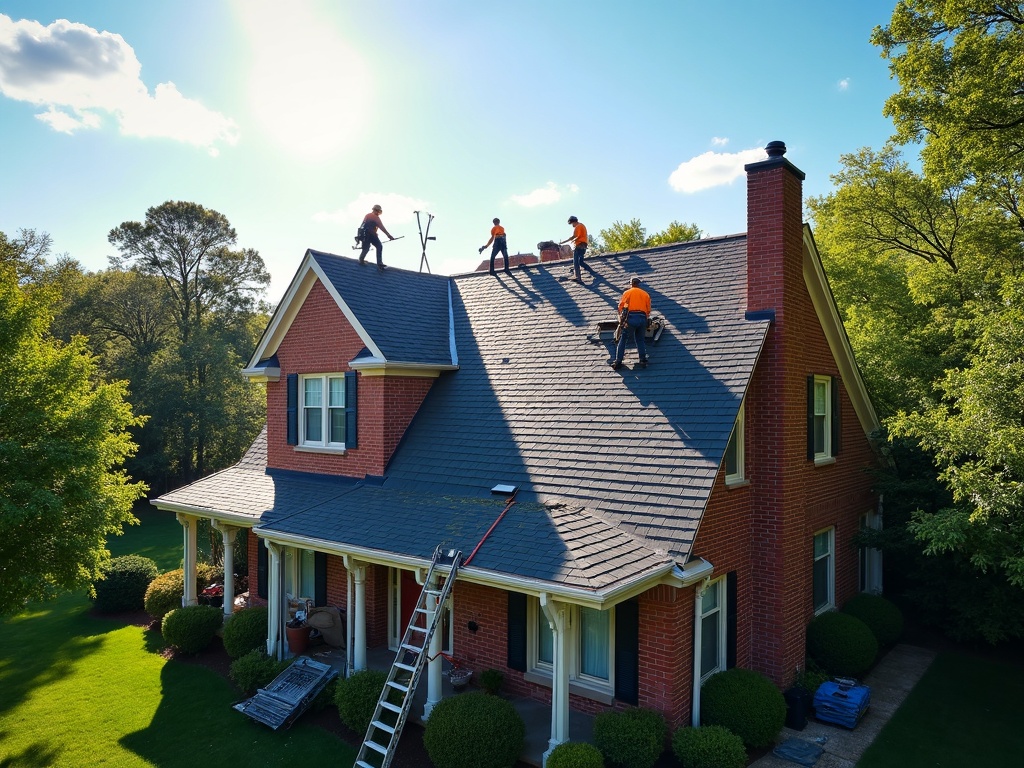
Asphalt shingles win on upfront cost. A standard three-tab or architectural shingle install costs a fraction of metal or slate, and that’s why they cover the majority of residential roofs. But the 20-year lifespan of asphalt compared to 50-plus years for standing seam metal or natural slate tells a different story when you run the numbers over time.
Metal roofing also reflects radiant heat rather than absorbing it, which reduces cooling loads during summer months. Slate is essentially inert, it doesn’t absorb moisture, warp, or degrade from UV exposure the way organic-based shingles do. The upfront premium for these materials often looks different when you factor in two or three asphalt replacement cycles and the labor costs attached to each one.
The weight factor matters here too. Slate and clay tile are heavy. Older homes with standard truss systems may need structural reinforcement before they can carry that load, and that cost has to enter the calculation before you fall in love with the look.
How Humidity Reshapes the Shingle Decision
In regions with high humidity, morning fog, and regular rain, one of the biggest threats to your roof isn’t obvious until you look up: black streaks spreading across the shingles like tendrils searching for water. This is caused by a particularly stubborn type of algae called Gloeocapsa magma which thrives in damp and humid conditions.
The algae sticks to shingle granules and will spread quickly if left unchecked. This doesn’t only look unattractive, it’s actually breaking down those protective granules that are keeping the asphalt layer of your roof from taking on water.
Modern shingles use zinc or copper particles in the granules to ward this off. So if you live anywhere that gets regular rainfall, morning fog, or high humidity, choosing an algae-resistant (AR) rated shingle isn’t just a good idea, it’s what will keep your new roof looking like new for its first two decades rather than five years.
Underlayment is equally underestimated in wet climates. The primary material gets the attention, but a synthetic underlayment acts as a secondary moisture barrier when water finds its way past the shingles. In high-rainfall regions, this layer does real work.
What Wind, Hail, and Fire Zones Require
High-wind regions put roofing systems under a different kind of stress, specifically the uplift rating of the installation. Metal roofing with concealed fasteners handles wind uplift better than exposed-nail systems, and its Class A fire rating makes it the standard recommendation for areas near dry brush or with frequent wildfire risk.
For areas that see seasonal hail, the material rating you want is Class 4 impact resistance. This is the highest level of hail protection for asphalt shingles, and some insurers offer premium reductions for it. Frequent hail damage without that protection leads to repeated insurance claims and gradual granule loss that shortens the roof’s life significantly.
Roof pitch also constrains your options. Low-slope roofs can’t use standard asphalt shingles effectively because drainage is too slow, and water sits long enough to find any imperfection. Those installations require modified bitumen or standing seam metal, which handles flat or near-flat geometry without the same failure risk.
Heat, Ventilation, and What Happens Inside the Attic
In hot climates, one of the biggest threats to shingle life isn’t sun on the surface, it’s heat trapped in the attic below. When attic temperatures spike, shingles effectively bake from the inside out. Proper attic ventilation, through a balanced system of ridge vents and soffit vents, is what prevents this. Adequate ventilation can reduce roof surface temperatures by as much as 30°F, which translates directly into extended shingle lifespan.
This is also where a Franklin Roofing Company can provide value, a local roofer who understands your regional heat patterns will assess ventilation alongside material selection, rather than treating the two as separate conversations.
Heavily exposed roofs where granule loss is a problem typically look shiny and have an uneven appearance. This doesn’t just shorten the shingle lifespan; it can also void the warranty. This is one positive of the recent wave of "cool shingles" that use reflective granules to reduce the surface temperature of the roof and in turn the interior of your home. They currently are more expensive than standard shingles for the most part, but reduced energy usage over the long term can help offset the higher upfront cost.
Match the Material to What the Weather Actually Does
Each roof functions as a system that is adapted to a specific environment. A homeowner basing their decision on how it looks from the street is essentially gambling. A better approach is to determine the primary stressors in your region, hail, humidity, wind, heat, freeze-thaw, and use those to make your material decision. Aesthetics can almost always be met within the category that is tailored to your specific conditions. The roof that looks the best and fails at ten years is never the right answer.