How to Add Value to Your Home Through Outdoor Living Improvements
Homes are more than places to live; they’re, for many, their biggest investments. When it comes to the most rewarding home improvements, the outdoor space often gets overlooked in favor of kitchen renovations or bathroom makeovers. But outdoor spaces can transform how a home functions and how it appeals to buyers.
The outdoor living market has changed drastically over the last decade. Gone are the days of a lackluster patio and a few potted plants. Instead, buyers expect outdoor spaces to be as enticing, functional, and comfortable as the interior. Homes with well-designed outdoor spaces regularly sell quicker and appeal to more interest than those without.
Decking: The Groundwork of Outdoor Living
One of those enhancements that typically pays off almost every time is a quality deck. A deck creates delineation of space for outdoor entertaining, indicating to a buyer that the owner has taken care of it. Whether timber or composite, the materials depend upon personal preference and the amount of owner investment in ongoing maintenance.
Composite decking is typically low to no maintenance, appealing to those who don’t want a project year-round. Timber has a more inviting aesthetic for many but requires continuous oiling and upkeep (with unexpected repairs with popped boards), and either requires a well-designed deck that is aesthetically proportional to the home and yard for a desirable impression during an inspection.
Getting the size right is imperative—it can’t be too small (a haphazard addition) or so big that it takes over the usable yard space. It needs to be sizable enough to accommodate outdoor dining tables and chairs with walking room but not need the entire square footage of the yard.
Alfresco Windows: Year-Round Practicality
This is where things get fun—a deck is nice, but in temperamental climates, they’re only useful for part of the year. Adding some semblance of enclosure entices how much buyers will use the space upon inspection.
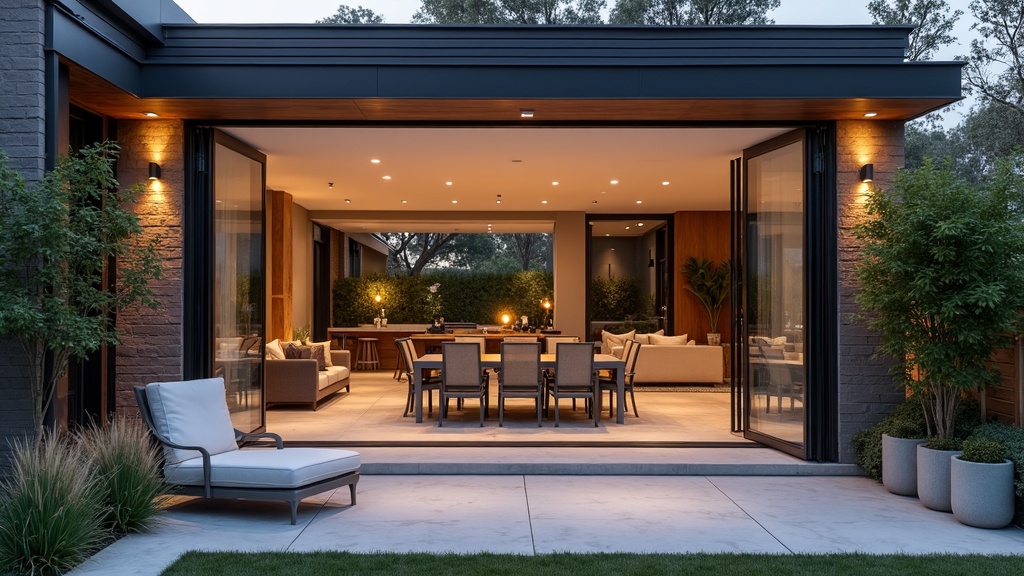
Alfresco windows or other professional enclosure systems bring the outdoors in (or vice versa) and create access during any season—permanent structures or something that opens up in good weather is appealing since it does not leave buyers in limbo of only using it on a perfect day.
Fully enclosed areas with window quality roofing become a bonus room of sorts for the home. Even partially enclosed setups with café blinds or similar attractive options go a long way in buyer perception since they bring protection from wind or light rain—but not the permanence of a fully enclosed option.
Outdoor Kitchen: The Happy Medium
Outdoor kitchens have become increasingly popular, but they’re not always the good investment people think. An outdoor kitchen setup with a top-notch barbecue, spacious bench and storage can often be beneficial without being excessive.
An expensive outdoor kitchen set up with integrated appliances, pizza ovens, and stone benchtops looks great but only truly benefits high-end properties where buyers expect that type of finish. In middle-of-the-road suburban properties, however, they may be overwhelming—adding features that most buyers won’t benefit from regularly.
Typically speaking, an outdoor kitchen with appropriate ventilation for barbecuing, prep space and weather-proof storage space appeals significantly more than an elaborate setup because it shows buyers that the area is ready for entertaining without catering it to someone’s distinct preference.
Landscaping: First Impressions Matter
While no one will be wowed by landscaping like they’ll be wowed by a brand new deck, tremendous landscaping makes a world of difference in how buyers perceive the property from the street. Simple improvements include fresh mulch, defined garden beds, green lawns and pops of color in flowers to make immediate positive impressions that trickle through the inspection.
The trick is realistic maintenance levels—buyers shy away from high-maintenance gardens needing constant attention. Gardens made with native plants that withstand local climates appeal more than elaborate setups requiring constant maintenance or requisite knowledge.
What Adds Value?
Not everything adds value when it comes to outdoor enhancements. For example, pools are polarizing—some buyers see them as a grand advantage while others find them life-threatening maintenance risks. These do not provide consensus appreciation as all other elements do.
Features that regularly appeal whenever possible are those that extend usable living space, low maintenance and complement overall style. If outdoor enhancements feel like extensions of the home, they tend to pay off much better than poorly executed add-ons which seem mismatched with adjacent aesthetics.
The best way to approach home enhancements is by considering what buyers want in the area and making all adjustments appropriate to their character and neighborhood standards. Quality true additions will always trump flashy attempts that don’t feel like they belong there.