Timber Trusses vs. Traditional Framing: What Builders Need to Know
Timber framing vs. conventional stick framing is an age-old debate in the world of construction as residential and commercial jobs continue to be erected across Australia. Both methods have legitimate places in modern construction, but understanding the difference where reality meets marketing helps builders make better decisions that can impact timelines, budgets, and ultimately profitability.
What’s The Difference
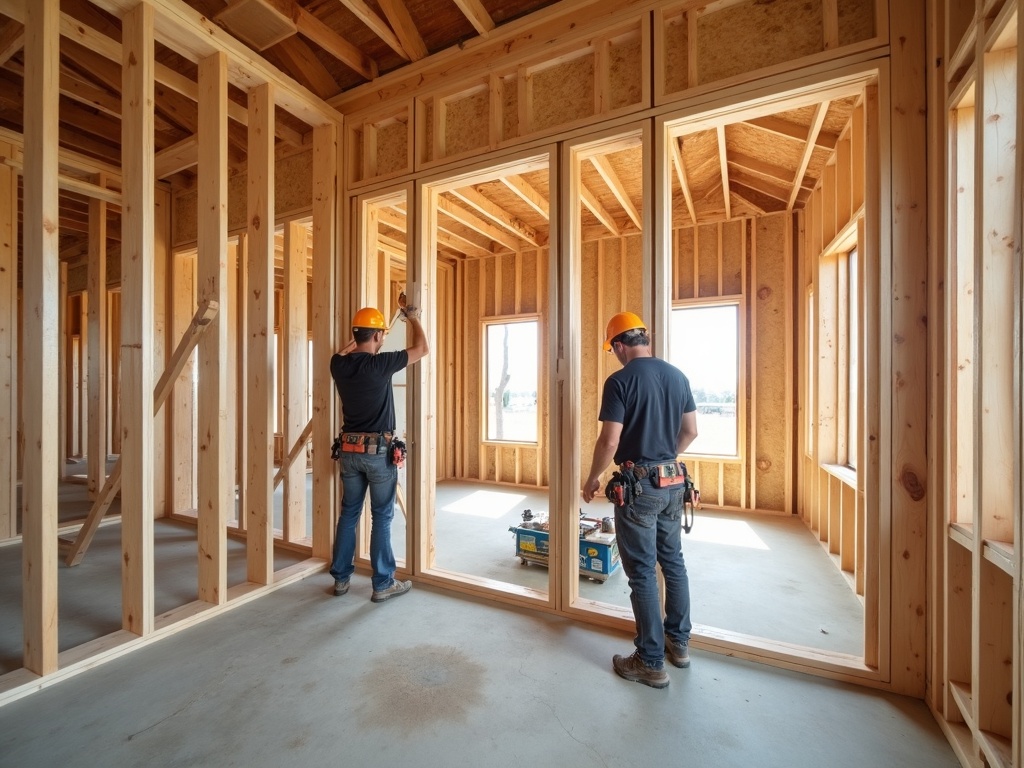
Conventional stick framing is when builders measure, cut and assemble rafters, ceiling joists and collar ties on-site. A crew will measure each piece, take it back, cut it, and nail it into place consecutively until the roof structure exists, piece by piece. This is the method that most older builders learned first before newer technologies came to be, however, it’s still widely used in smaller projects or renovations where more flexibility needs to happen on-site.
Timber trusses are pre-fabbed at a manufacturing facility and brought to the job site all in one piece. Engineers determine how they should be constructed, machines cut them to size, and industrial metal plate connectors fasten everything in place. Instead of nailing it together on-site, the crew just lifts them, spaces them appropriately, and braces them according to how the engineering plans suggest. The assembly work happens off-site.
What’s The Cost No One Tells You About
Here’s where it gets complicated. Trusses can be more expensive per unit than their conventional stick framing counterparts as builders generally just need to buy lumber. If a builder looks strictly at a materials invoice, conventional framing might be cheaper however, that’s not the whole picture.
When it comes to labor, conventional stick framing is far more expensive than trusses. A crew can install pre-made trusses faster than a crew can measure, cut and assemble a conventional rafter. On a residential roof, what takes three or four days to measure and fabricate could go up in one day with trusses. Thus, the labor savings usually trump the material costs as one has to consider labor hours over market hours, especially when skilled framers are hard to find.
Furthermore, conventional framing creates waste. Conventional framing has cut offs that get discarded (or worse, ignored). When framers are cutting rafters on-site instead of pre-manufactured precut rafter lengths based on math, there’s waste involved from mistakes, off-cuts and miscalculation of using standard lumber lengths versus specific measurements of trusses (which will be manufactured with CNC machines to avoid waste).
Where Trusses Are Better
Trusses are faster and in a world of spec construction or race against the clock scenarios, getting a roof up faster is better. Weather mitigation goes a long way; when you start construction on the inside when you’re done with the outside on day two instead of starting your second day on day four because your crew is still there for three additional days cutting and building, that’s weeks saved on a critical path.
Furthermore, span is easier. Engineered trusses can span larger distances than using supportive beams for conventional framing to hold span; for great rooms, open floor plans and large garages, the more space the better. The engineering specs are there for the building inspector knows exactly what they’re looking at when they get the submittals.
Moreover, consistency is an issue most builders won’t admit matter. Every truss is the same; when the framing crew puts them in at appropriate spacing the roof plane is expected to be straight and true. Not with conventional framing; if a quality crew gets hired, it’s great work; if not, good luck because there’s a higher margin of error due to human touch where quality isn’t always guaranteed.
When larger projects demand reliable components, timber wall frames WA and trusses are engineered to exact specs. Your building crews stay focused on installation, not assembly—working with structurally sound components built by specialists.
When Conventional Framing Is Better
When roofs are complex, sometimes cutting on-site makes more sense with stick framing than trying to get trusses into production, or customized trusses only create more headaches over trying to convince a lumber package to work now that onsite resourcefulness is available.
Also, accessing job sites makes more sense with conventional framing. Maybe there isn’t enough space for a crane or means of access needed to support getting trusses on top of a roof; tight lots, steep grades and spaces with overhead lighting fail the ability for easy delivery/truss placement to no delivery at all; thus carrying lumber pieces into the attic space to build in place might make more sense.
Additionally, renovations almost always lend themselves to conventional framing techniques. Pre-existing structures rarely have dimensions matching pre-manufactured truss specifications; doing new construction on existing structures means working on integrated constructions which require custom-cut materials rather than trying to get custom trusses that will never fit quite right.
The Engineering Difference
Both methods can support roofs all day long but conventionally framed roofs rely upon building code prescriptive methods whereas trusses have stamped designs that include load paths and structural calculations, building departments love easy reviews.
An experienced inspector knows what proper rafter framing looks like yet there’s some semblance of interpretation; for builders who work in a jurisdiction with heavy-handed engineering submittal approvals, truss systems discourage potential delays.
Liability assumes that the truss company is responsible for the structural design; if something goes wrong due to structural design purposes that’s on them. The framed takes more pride upon their work should they not comply with code regulations. Some framers like that, they like taking responsibility, they like boasting their capabilities; some builders don’t want any part in that.
Framer Quality & Longevity
Generally speaking, trusses require lower grade lumber than conventionally framed ones because they’re not as strong without metal plate connections that bind. At first that seems wrong but it’s fine, as long as everyone understands that engineering capabilities are in play and metal connectors provide strength where there otherwise needs higher grade lumber based on per rafter load.
Both systems should last for the life of the project when installed correctly; truss failures come from improper installation (bracing not secured or an attempt at changing what’s already been established, truss composition, after it’s been installed). Conventional failures are due to poor connections with no oversight, and that’s blame on anyone who was getting done instead of doing it right.
Moisture management for both approaches matter; trusses can withstand uplift from high winds if tied down properly; conventional framing requires airflow and air sealing just like they would with trusses systems, neither has an advantage over longevity unless done correctly per best practices.
Deciding What’s Best for Your Project
It’s usually project size that determines what’s best; large production homes will probably go with trusses; it makes sense economically across the board. Small custom homes probably go either way, commercial jobs generally go more towards trusses for either engineering documentation or span purposes.
Crew quality matters more than builders want to admit; if you’ve got an excellent stick-framer who’s efficient, you won’t receive as much labor savings if you go with trusses instead because they weren’t put together in time prior. But if you’re having trouble finding skilled framers—at least timber allows you less-skilled crews can still create reliable systems.
Lead time makes a difference; trusses need time for ordering and changes after ordering could be expensive or impossible; conventional systems allow for more change unless that’s just poor planning instead of legitimately adjusting what makes sense.
The Bottom Line for Builders
Neither is better per se. Successful builders know how to do both depending upon what makes sense for their project. It’s important to understand both sides and the true compromises instead of relying upon what’s always been done before because that’s what’s cheapest or what’s easiest because that’s what’s known.
Trusses are faster, consistent and have clear-cut engineering standards thanks to standardized builds while conventional systems provide flexibility, site adaptability and control when complexity or customization is at stake.
Ultimately it depends upon project conditions, crew skills, lead times and cost structures based on geographical demand. Builders who know how to do both, and when, stay competitive and profitable among varying projects.