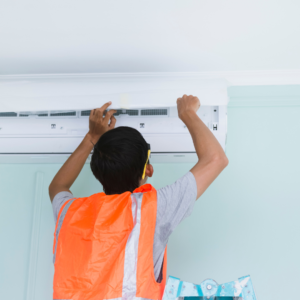

Improving home comfort can significantly enhance your daily living experience. The best ways to achieve this include optimizing temperature control, improving air quality, and enhancing lighting and noise management. These straightforward steps create a more pleasant and functional environment.
Adjusting your thermostat, sealing drafts, and using quality insulation help maintain consistent indoor temperatures. Additionally, controlling humidity and ensuring proper ventilation can prevent discomfort caused by stale or dry air.
Small changes like upgrading to energy-efficient lighting and adding soundproofing elements also contribute to a calmer, more enjoyable space. These measures work together to make your home feel more comfortable year-round.
Optimizing Home Insulation
Effective insulation reduces energy loss and improves indoor comfort by stabilizing temperature and reducing drafts. Targeting specific areas, selecting appropriate materials, and deciding between professional or DIY installations are critical steps for an efficient upgrade.
Identifying Key Insulation Areas
Focus on areas where heat transfer is most significant. Attics, walls, floors above unheated spaces, and basements usually require the most attention.
Attics often lose energy due to insufficient insulation or air leaks. Walls should be checked for gaps or missing insulation, especially in older homes. Basement and crawl space insulation prevents cold floors and moisture issues.
Sealing air leaks around windows, doors, and vents supports insulation efforts. Use tools like infrared cameras or blower door tests to locate problem spots effectively.
Choosing the Right Insulation Materials
Select materials based on R-value, ease of installation, and moisture resistance. Common options include fiberglass batts, spray foam, cellulose, and rigid foam boards.
Fiberglass batts are affordable and easy to install, but less effective against air leaks. Spray foam provides excellent air sealing and a high R-value, but costs more. Cellulose is eco-friendly and good for filling cavities. Rigid foam boards are ideal for basements and exterior walls.
Evaluate local climate, building codes, and budget to determine the best material combination for your needs.
Professional vs. DIY Insulation Upgrades
DIY insulation can save money but requires knowledge, safety precautions, and precise installation for maximum effectiveness.
Professional installers bring experience and specialized equipment, ensuring proper placement and adherence to building codes. They can also perform comprehensive energy audits and air sealing.
For large or complex projects, hiring professionals minimizes risks like moisture problems or inadequate coverage. Smaller tasks like sealing gaps or adding batts in accessible spaces are often manageable for capable DIYers.
Enhancing Indoor Air Quality
Maintaining clean and fresh air indoors depends on several practical factors. Effective airflow, proper filtration, and balanced humidity all play crucial roles in improving the air you breathe at home.
Proper Ventilation Strategies
Good ventilation reduces indoor pollutants by exchanging stale indoor air with fresh outdoor air. Mechanical ventilation methods like exhaust fans in kitchens and bathrooms help remove excess moisture and odors.
Energy recovery ventilators (ERVs) and heat recovery ventilators (HRVs) are efficient choices for continuous ventilation without significant energy loss. They capture heat from outgoing air and transfer it to incoming air, keeping temperatures stable while improving air quality.
Natural ventilation, through windows and vents, works best in mild weather but may let in allergens or pollutants. Using a combination of natural and mechanical ventilation can balance fresh air intake with energy efficiency.
Air Filtration System Selection
Air filters trap airborne particles such as dust, pollen, and pet dander. Choosing the right filter depends on your home’s specific needs and HVAC system compatibility.
High-efficiency particulate air (HEPA) filters remove up to 99.97% of particles 0.3 microns or larger. These are suitable for allergy sufferers but may require HVAC system adjustments.
MERV (Minimum Efficiency Reporting Value) ratings help compare filters. A MERV rating between 8 and 13 offers good filtration without obstructing airflow significantly.
Portable air purifiers with activated carbon filters can also reduce odors and volatile organic compounds (VOCs). Placement matters—position units in common living areas for best performance.
Controlling Humidity Levels
Indoor humidity ideally stays between 30% and 50%. Proper control limits mold growth and dust mite populations, which worsen allergies and respiratory issues.
Use dehumidifiers in damp areas like basements and bathrooms to prevent excess moisture buildup. Conversely, humidifiers add moisture during dry winter months to avoid dry skin and irritated airways.
Monitor levels with a hygrometer for accuracy. Avoid over-humidifying, as high moisture encourages mold and pests. Regular maintenance of HVAC components also prevents moisture-related problems.
Efficient Heating and Cooling Solutions
Optimizing home climate control involves selecting reliable equipment and technologies that balance comfort with energy efficiency. Strategic upgrades and smart controls can reduce operational costs and maintain steady indoor temperatures year-round.
Upgrading HVAC Systems
Investing in a modern HVAC system can significantly improve heating and cooling performance. New units offer higher SEER (Seasonal Energy Efficiency Ratio) ratings, which translate to lower energy consumption and better temperature regulation.
Replacing old equipment minimizes breakdowns and maintains consistent airflow. Consider systems with variable speed motors for more precise climate control. Proper sizing is critical; oversized or undersized units waste energy and reduce comfort.
Regular maintenance, including filter changes and duct sealing, enhances system efficiency. Additionally, advanced heat pumps provide both heating and cooling, often with lower operating costs compared to traditional furnaces and air conditioners.
Smart Thermostat Integration
Smart thermostats offer programmable, remote, and adaptive temperature controls. They learn user habits and adjust heating or cooling schedules automatically, reducing unnecessary energy use.
Features such as geofencing allow the system to operate only when occupants are home. Mobile apps provide real-time energy consumption feedback and the ability to change settings from anywhere.
Some models include integration with voice assistants and home automation systems for seamless control. Installation is straightforward, with many smart thermostats compatible with existing HVAC setups, enhancing comfort while reducing utility bills.
Lighting Improvements for Comfort
Effective lighting enhances the overall feel of a home by balancing brightness, warmth, and energy use. Adjusting how natural and artificial light enters and occupies your space can make rooms more inviting and functional.
Natural Lighting Optimization
Maximizing natural light reduces reliance on artificial sources and improves mood and visibility. Start by using sheer curtains or blinds that diffuse sunlight without blocking it. Position mirrors opposite windows to reflect light deeper into rooms.
Trim outdoor plants or trees that block window light. Consider installing skylights or solar tubes in areas with little direct sunlight. These provide daylight without compromising privacy.
Keep windows clean inside and out to increase light penetration. Choose light-colored walls and ceilings to reflect natural light, enhancing brightness. Properly managing natural light prevents glare while maintaining a comfortable atmosphere.
Choosing Energy-Efficient Lighting
Switching to energy-efficient bulbs cuts energy costs and heat output, improving home comfort. LED bulbs are the best option: they last longer, use less power, and come in various color temperatures.
Select bulbs with a color temperature between 2700K and 3000K for warm, comfortable lighting. Avoid overly bright or cool-toned bulbs that can cause eye strain or make spaces feel sterile.
Use dimmable fixtures to adjust light levels according to activities and time of day. Employ task lighting in work areas and ambient lighting in living spaces for balanced illumination.
Energy-efficient lighting tips:
| Lighting Type | Lifespan (hours) | Energy Use (watts) | Color Temperature |
| LED | 15,000–50,000 | 6–10 | 2700K–3000K (warm white) |
| CFL | 8,000–15,000 | 9–14 | 2700K–6500K (varies widely) |
| Incandescent | 1,000–2,000 | 40–100 | 2700K (warm) |
Using LEDs tailored to your home’s needs improves comfort and reduces utility bills over time.
Acoustic Comfort Enhancements
Improving acoustic comfort involves managing unwanted noise through structural changes and everyday habits. Effective solutions balance blocking external sounds and minimizing internal disruptions.
Soundproofing Techniques
Soundproofing requires adding materials that absorb or block sound transmission. Installing mass-loaded vinyl (MLV) on walls or ceilings adds density to reduce noise leakage. Another approach is using acoustic panels or foam to absorb echoes and dampen sound reflections.
Sealing gaps around doors and windows with weatherstripping or acoustic seals also prevents noise from entering. Double or triple-pane windows can significantly reduce outdoor noise infiltration.
For floors, laying dense carpets or underlayments cuts down footstep sounds. Using resilient channels in drywall installation creates a buffer that decouples walls, lowering sound travel between rooms.
Reducing Household Noise
Behavioral changes and smart furniture choices help reduce noise inside the home. Moving loud appliances like washers or HVAC units away from living spaces limits continuous background noise.
Soft furnishings, including curtains, rugs, and upholstered furniture, soften impact sounds and absorb room noise. Placing bookcases or heavy furniture against shared walls can act as additional sound barriers.
Limiting noisy activities during quiet hours and using white noise machines in bedrooms helps mask unavoidable sounds. Regular maintenance of mechanical systems prevents rattles and hums that can worsen noise pollution.
Personalizing Interior Design
Creating a comfortable home involves thoughtful placement of furniture and the careful selection of textiles. Both aspects contribute to a space that supports relaxation and suits personal needs.
Furniture Arrangement for Comfort
Effective furniture arrangement maximizes both comfort and functionality. Positioning seating to encourage conversation and ensuring easy movement helps rooms feel welcoming. Avoid blocking natural light sources or pathways, which can make spaces feel cramped or uncomfortable.
Consider the purpose of each room. In living areas, arrange sofas and chairs to face each other or a focal point like a fireplace or TV. Leave enough space, typically 30-36 inches, between pieces to allow smooth traffic flow. In bedrooms, placing the bed away from doors and near windows can improve sleep quality.
Use multi-functional furniture like ottomans with storage or reclining chairs to enhance comfort without overcrowding. Adjusting layouts seasonally may also improve comfort by shifting furniture away from drafts or heat sources.
Use of Textiles and Soft Furnishings
Textiles add warmth and tactile comfort while defining the style of a room. Opt for area rugs to soften hard flooring and reduce noise, especially in high-traffic zones like living rooms or hallways. Rugs made of natural fibers like wool or cotton provide durability and a pleasant texture.
Throw blankets and cushions create layers of softness. Choose cushions with varied sizes and firmness to support different seating preferences. Materials like linen or velvet combine comfort with a refined look.
Window treatments also influence comfort by controlling light and temperature. Heavy curtains can insulate rooms during colder months, while sheer fabrics allow light but maintain privacy. Regularly updating textiles keeps spaces feeling fresh and inviting.
Smart Home Technologies
Smart home technologies allow precise control of indoor environments, adjusting conditions automatically based on preferences and routines. These systems increase comfort while optimizing energy use and convenience.
Automated Environmental Controls
Automated environmental controls use sensors and programmable settings to regulate temperature, humidity, and air quality in real time. Smart thermostats learn daily schedules and adjust heating or cooling to reduce energy waste while maintaining comfort.
Integration with air purifiers and humidifiers creates a balanced indoor atmosphere by responding to air quality changes or dry conditions. These devices can be managed remotely via apps, allowing users to make adjustments even when away from home.
Automation enables zones within the house to have tailored settings, preventing energy loss in unused areas. This reduces overall costs while enhancing personalized comfort.
Voice-Activated Comfort Features
Voice-activated systems let users control lighting, temperature, and entertainment devices through spoken commands. Popular platforms like Amazon Alexa, Google Assistant, and Apple Siri support these functions.
This hands-free control adds convenience in daily routines, such as adjusting thermostat settings without leaving a chair or turning on fans when entering a room. Commands can also trigger preset comfort modes, combining multiple settings instantly.
Voice assistants can integrate with other smart devices, enabling complex actions—like lowering blinds and dimming lights for relaxation—via a single phrase. This technology enhances seamless interaction with your home environment.
Energy Efficiency Upgrades
Improving a home’s energy efficiency directly enhances comfort by stabilizing indoor temperatures and reducing drafts. Common upgrades include sealing leaks, adding insulation, and installing energy-efficient windows. These changes help maintain consistent warmth in winter and coolness in summer.
Upgrading heating and cooling systems is also essential. High-efficiency HVAC units consume less energy and provide better air distribution. Programmable thermostats allow precise temperature control, adapting to daily schedules.
Lighting plays a role in energy use and comfort. Switching to LED bulbs reduces electricity consumption and cuts down on the heat produced by older bulbs. This change can create a more pleasant lighting environment while saving costs.
| Upgrade Type | Benefits | Typical Impact |
| Air Sealing | Reduces drafts and heat loss | 10-20% energy savings |
| Insulation Upgrade | Stabilizes temperature | 15-30% energy savings |
| Energy-Efficient HVAC | Improves heating/cooling output | Reduces utility bills |
| LED Lighting | Low power use, less heat | Up to 75% energy savings |
Small steps like switching to energy-efficient appliances can contribute too. Combining several upgrades creates a more comfortable and cost-effective home.
Regular Maintenance for Long-Term Comfort
Regular maintenance is essential for keeping your home comfortable year-round. It helps systems operate efficiently and prevents sudden breakdowns that can cause discomfort.
Start by scheduling HVAC inspections twice a year—before summer and winter. Clean or replace filters monthly to maintain air quality and system efficiency. Dirty filters reduce airflow and increase energy consumption.
Check weather stripping on doors and windows regularly. Damaged or worn seals allow drafts, making it harder to maintain a consistent temperature indoors. Replace as needed to improve insulation.
Include a routine inspection of plumbing fixtures to avoid leaks. Even small leaks can raise humidity levels, leading to discomfort and potential mold growth. Fix leaks promptly to maintain air quality.
Here is a quick maintenance checklist:
| Task | Frequency | Benefit |
| HVAC filter replacement | Monthly | Improved airflow and efficiency |
| HVAC professional check | Biannually | Prevents costly repairs |
| Weather stripping check | Annually | Reduces drafts |
| Leak inspection | Quarterly | Controls humidity and prevents damage |
Consistent maintenance practices extend the lifespan of home systems. They also ensure your living environment stays comfortable without sudden surprises or unnecessary energy costs.