Deep cleaning your home can feel overwhelming, but a focused approach makes the process efficient and effective. The best tips for deep cleaning involve breaking tasks into manageable zones, using the right tools, and prioritizing high-traffic areas for a thorough clean.
Knowing where to start and what to focus on saves time and ensures no spot is overlooked. Simple techniques like decluttering first and using natural cleaning solutions can improve the overall result without extra effort.
This guide breaks down practical steps that help maintain a cleaner, healthier living space. Implementing these tips consistently will make future deep cleans faster and less exhausting.
Why Deep Cleaning Your Home Matters
Deep cleaning removes dirt, allergens, and bacteria hidden in hard-to-reach places. It also protects structural elements and supports mental clarity by creating a tidy living environment.
Health Benefits of Deep Cleaning
Deep cleaning targets dust mites, mold, and bacteria that regular tidying misses. Removing these helps reduce respiratory issues like asthma and allergies. Focus areas include carpets, upholstery, and ventilation ducts where allergens accumulate.
Regular disinfection of kitchen and bathroom surfaces lowers the risk of infections caused by harmful germs. Deep cleaning also cuts down on pest infestations by eliminating food residue and clutter. This contributes to a safer, healthier home environment.
Enhancing Home Longevity
Dirt and grime can degrade surfaces and materials over time. For example, accumulated dust on HVAC systems forces them to work harder, leading to premature failure. Cleaning these components can extend their lifespan and improve efficiency.
Maintaining floors, walls, and appliances through regular deep cleaning prevents costly damage. Removing mold and mildew protects paint and wood from deterioration. It also helps preserve the overall value of the home by keeping it in good condition.
Mental Wellbeing and Clean Spaces
A clutter-free, clean home reduces stress and enhances focus. Messy environments can cause distraction and mental fatigue, while clean spaces promote relaxation and productivity.
Deep cleaning fosters a feeling of control and accomplishment. It allows for more inviting social interactions and supports routines that improve day-to-day life quality. Clean homes have been linked to improved sleep patterns and mood stability.
Essential Tools and Supplies for Deep Cleaning
A well-prepared cleaning session depends on having the right equipment and products. Targeting various surfaces and dirt types requires specific tools and supplies designed for efficiency and thoroughness.
Must-Have Cleaning Equipment
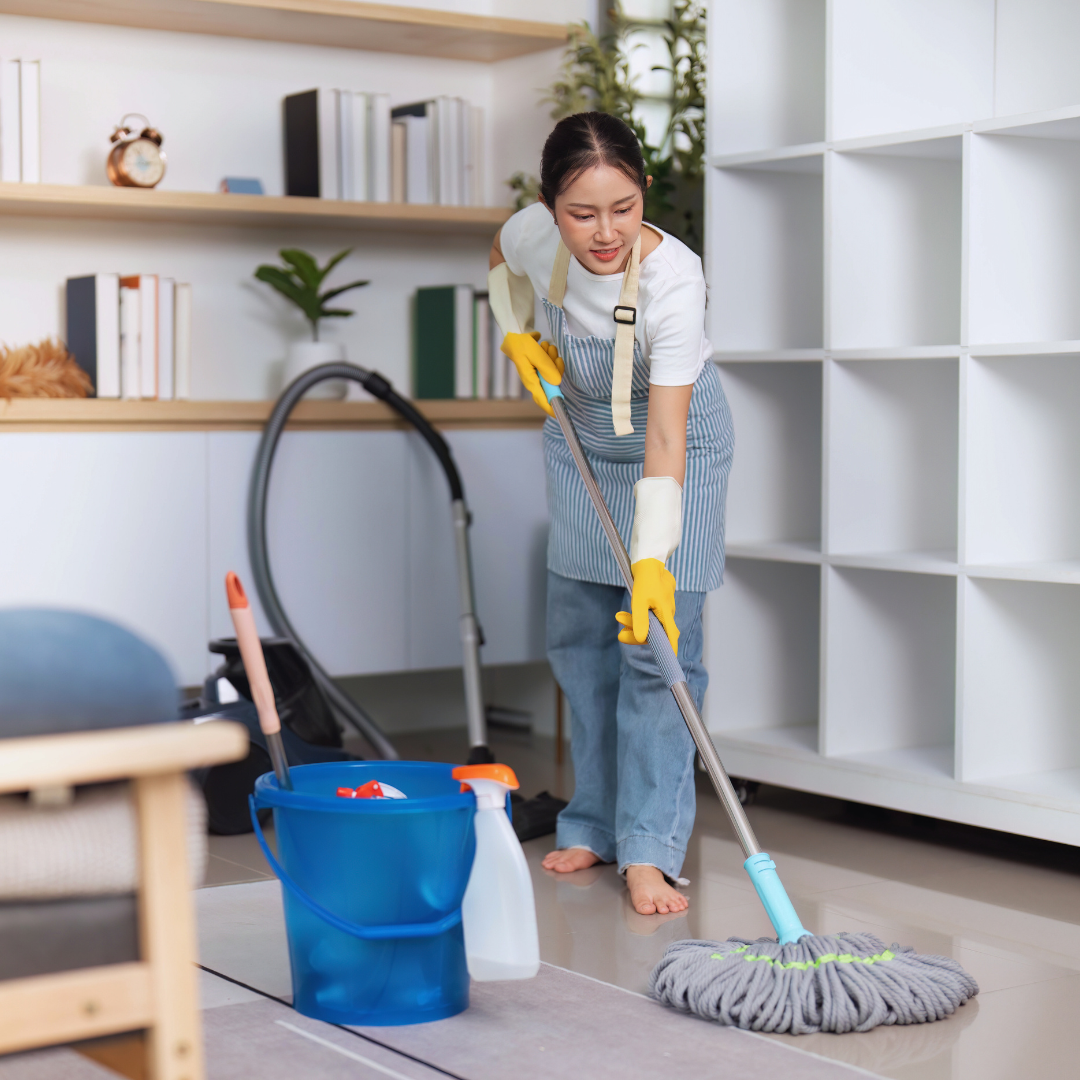
Start with versatile tools like a strong vacuum cleaner featuring multiple attachments for floors, upholstery, and tight spaces. A mop with interchangeable heads, including microfiber pads, is essential for various floor types.
Use scrub brushes of different sizes and stiffness to tackle grout, tiles, and stubborn spots. A bucket with a wringer helps control water usage and maintain cleaner solutions. Extendable dusters reach high corners and ceiling fans without strain.
Protective gloves and a sturdy spray bottle for homemade or store-bought cleaners are practical necessities. A reliable microfiber cloth set ensures effective dusting without scratching.
Recommended Cleaning Products
Select cleaning products based on surface compatibility and strength. A multi-surface cleaner works well on counters, appliances, and glass. Disinfectants with proven effectiveness against bacteria and viruses should be included for kitchens and bathrooms.
Degreasers are useful for ovens, stovetops, and vents. Window cleaners provide streak-free clarity for glass surfaces and mirrors. Avoid bleach on surfaces prone to discoloration; hydrogen peroxide is a safer alternative.
Always read labels for safe usage instructions. Concentrated formulas save space and cost. Keep stain removers handy for carpets and upholstery.
Eco-Friendly Alternatives
Choose biodegradable soaps and plant-based cleaners to reduce environmental impact. White vinegar mixed with water serves as a natural disinfectant and glass cleaner without harsh chemicals.
Baking soda is a mild abrasive for scrubbing and deodorizing carpets, sinks, and drains. Reusable cleaning cloths and mop heads made from sustainable materials minimize waste.
Essential oils like tea tree or lavender offer antibacterial properties and pleasant scents. These alternatives often avoid irritants found in conventional products, making them suitable for sensitive households.
Preparing Your Home for a Deep Clean
Effective preparation sets the foundation for a thorough home cleaning. Addressing clutter, designing a cleaning timeline, and ensuring safety are essential steps before beginning any deep clean.
Decluttering Tips
Start by tackling one room at a time to avoid feeling overwhelmed. Remove items that don’t belong, such as clothes, dishes, or toys left out of place. Use labeled bins or boxes to sort belongings into categories: keep, donate, recycle, or discard.
Focus on surfaces like countertops and tables since open space allows easier access for cleaning. Organize shelves and drawers only if necessary, keeping the process manageable. Regularly clearing clutter helps maintain a clean environment and saves time during deep cleaning sessions.
Creating a Deep Cleaning Schedule
Break down your home into zones: kitchen, bathrooms, bedrooms, living areas, and entryways. Assign specific tasks for each zone, such as scrubbing tiles or dusting baseboards. Prioritize high-traffic and high-use spaces first.
Set realistic goals, such as dedicating 1-2 hours per zone on specific days. Using a checklist ensures no area is overlooked. Scheduling helps avoid burnout and maintains consistent progress, making the deep cleaning less stressful.
Safety Precautions
Wear appropriate gloves and masks to protect against dust, mold, and cleaning chemicals. Ensure good ventilation by opening windows or using fans. Read cleaning product labels carefully and avoid mixing chemicals like bleach and ammonia.
Keep children and pets away from rooms being cleaned to reduce exposure to harmful substances. Use sturdy step stools or ladders for reaching high spots, and clear floors to prevent tripping hazards. Prioritizing safety minimizes risks throughout the cleaning process.
Deep Cleaning Strategies for Every Room
Effective deep cleaning targets grime, dust, and bacteria in areas often missed during regular cleaning. It requires focusing on surfaces, hidden corners, and frequently touched items to restore hygiene and order.
Kitchen Deep Cleaning
Start by emptying all cabinets and drawers. Wipe interiors with a mild detergent solution to remove crumbs and grease. Clean appliances inside and out; pay special attention to the oven, microwave, and refrigerator seals.
Scrub countertops, backsplashes, and sinks with a disinfectant. Degrease the stove and exhaust hood thoroughly. Don’t forget to sanitize handles, light switches, and faucet knobs.
Dispose of expired food from the pantry and refrigerator. Sweep and mop floors, focusing on corners where dirt accumulates. Use a steam cleaner if possible to reduce bacteria on tiles.
Bathroom Deep Cleaning
Disinfect toilets using a dedicated toilet cleaner. Scrub the bowl, seat, and surrounding base. Clean and descale sinks, taps, and showerheads to remove soap scum and mineral buildup.
Wipe mirrors with a glass cleaner; use a toothbrush for grout and hard-to-reach corners. Sanitize countertops and cabinet fronts. Replace towels and wash bath mats frequently.
Ventilate the room during cleaning to reduce moisture buildup. Clean exhaust fans and vents. Mop floors with a strong disinfectant, paying attention to tile edges and corners.
Bedroom Deep Cleaning
Strip bedding and wash all linens, including pillowcases and mattress covers. Vacuum the mattress surface and use baking soda to remove odors. Rotate or flip mattresses if possible.
Dust all surfaces, including bedside tables, shelves, and lamps. Wipe down walls near outlets and switches, which accumulate grime. Clean under the bed and remove clutter.
Vacuum carpets and rugs thoroughly or consider steam cleaning. Focus on curtains or blinds, washing or dusting them regularly. Organize closets while inspecting for dust and mold.
Living Room Deep Cleaning
Dust electronics carefully using microfiber cloths to prevent damage. Wipe down TV screens and remote controls with appropriate cleaning solutions. Clean upholstery by vacuuming cushions and spot-treating stains.
Dust and polish wooden furniture surfaces. Clean coffee tables, shelves, and décor items to eliminate pollen or pet dander buildup. Pay attention to light fixtures and ceiling fans.
Vacuum carpets and sweep floors. Steam cleaning fabric upholstery prolongs freshness. Remove clutter and sanitize frequently touched surfaces like door handles and switches.
Tackling High-Traffic Areas and Forgotten Spaces
Focus on spots where dirt and dust accumulate quickly, and spaces that often get overlooked during regular cleaning. These areas require thorough attention to maintain cleanliness and prevent buildup.
Hallways and Entryways
These zones experience constant foot traffic and tend to gather dirt, mud, and dust. Start by sweeping or vacuuming floors daily, paying close attention to corners and edges. Use a mop with a suitable cleaner for hard floors to remove stuck debris and stains.
Wipe down door frames, handles, and light switches to eliminate germs and fingerprints. Rugs or mats should be shaken out or washed regularly to prevent the accumulation of allergens. Consider using a protective sealant on wooden floors to reduce wear.
Closets and Storage Areas
Closets and storage spots often collect dust, dead skin, and forgotten items. Begin by removing everything to sort and dispose of unneeded objects. Vacuum or sweep floors inside and wipe shelving with a damp cloth.
Check for moisture or mold, especially in poorly ventilated spaces. Use storage bins with lids to keep contents dust-free. Install odor absorbers like charcoal bags to maintain a fresh environment.
Baseboards and Moldings
Baseboards and moldings collect dust and grime but are easy to overlook. Use a microfiber cloth or a vacuum attachment to remove dust regularly. For deeper cleaning, wipe with a mild soap solution and a damp cloth, avoiding excess water.
Pay attention to corners where dirt accumulates. Touch up paint on scratched or chipped areas to keep these features looking clean and well-maintained.
Effective Techniques for Removing Stubborn Dirt
Stubborn dirt requires targeted methods and the right tools to be effectively removed. Focus on using specialized cleaners for stains, addressing moisture-related issues like mold, and reaching areas where dust accumulates but standard cleaning misses.
Dealing With Stains and Odors
Use enzyme-based cleaners for organic stains such as food, blood, or pet accidents. These break down proteins that cause odors and discolorations. For grease or oil stains, apply a degreaser or dish soap directly and let it sit for 10 minutes before scrubbing with a soft brush.
For fabric or carpet stains, blot with a clean cloth before using any cleaner to avoid spreading. Avoid mixing cleaning agents, as this can create harmful fumes and reduce effectiveness.
Odors often linger in porous materials. Sprinkle baking soda on carpets or upholstery and let it sit for several hours before vacuuming to neutralize smells.
Eliminating Mold and Mildew
Mold thrives in damp, poorly ventilated areas. Use a solution of 1 cup of bleach to 1 gallon of water for hard surfaces, scrubbing with a nylon brush. Always wear gloves and ensure proper ventilation.
For porous surfaces like drywall or wood, bleach solutions may not be sufficient. Consider commercial mold removers or replacing damaged materials if the mold is extensive. Prevent future growth by controlling humidity with a dehumidifier.
Avoid relying solely on vinegar or essential oils—they may clean minor spots but won’t fully eliminate mold colonies or spores.
Dusting Hard-to-Reach Places
Dust tends to accumulate in upper corners, ceiling fans, vents, and behind furniture. Use an extendable microfiber duster or a vacuum attachment with a soft brush head. Microfiber traps dust rather than dispersing it.
For vents and narrow spaces, compressed air can dislodge dirt, but follow with vacuuming to capture debris. Clean under furniture by moving items or using a flat mop with an adjustable handle.
Regularly dusting these spots prevents buildup that can settle into fabrics and electronics, minimizing allergens effectively.
Maintaining a Clean Home After Deep Cleaning
Keeping your home spotless requires consistent effort focused on manageable habits, routine tasks, and scheduled deeper cleanings. This approach helps prevent dirt buildup and maintains the freshness achieved by deep cleaning.
Daily Cleaning Habits
Incorporate simple habits to reduce mess daily. Wiping down kitchen counters after use stops grease buildup. Make beds each morning to instantly improve the room’s appearance.
Focus on clearing clutter at the end of each day. Put away items like dishes, laundry, and personal belongings promptly. Sweep or vacuum high-traffic areas like entryways to catch dirt before it spreads.
Use microfiber cloths for quick dusting. This prevents dust layers and keeps surfaces looking clean. Prioritize sinks and bathrooms as frequent daily spots to sanitize, reducing germs efficiently.
Weekly Maintenance Checklist
Set aside 30-60 minutes weekly for a thorough cleaning routine. Vacuum carpets and mop floors to remove dirt missed by daily efforts. Clean mirrors, windows, and glass surfaces to maintain clarity.
Scrub bathroom fixtures and kitchen appliances regularly. Pay attention to fridge shelves, stovetops, and sinks to reduce grime and bacteria. Change bedding and towels weekly to enhance hygiene.
Empty trash bins and sanitize recycling containers. Dust shelves, electronics, and vents to prevent dust accumulation. A checklist can ensure nothing is overlooked, keeping your home consistently clean.
Seasonal Deep Cleaning Plan
Plan a deep cleaning session every 3-4 months, targeting areas missed by routine maintenance. Wash curtains and clean upholstery to remove allergens and odors.
Clean behind appliances like refrigerators and ovens. Dust ceiling fans, air vents, and baseboards thoroughly. Inspect and clean windows, including tracks and screens.
Declutter closets, donate unused items, and organize storage spaces. This reduces hidden dust and keeps your home functional. Seasonal focus extends the effects of deep cleaning and promotes a healthier living environment.
When to Consider Professional Deep Cleaning
Professional deep cleaning is advisable when your home requires a level of detail and sanitation that exceeds regular cleaning efforts. This is often the case after major events like renovations, floods, or long periods of neglect.
If you or household members have allergies, asthma, or other respiratory conditions, professionals can help reduce airborne irritants more effectively. They use specialized equipment and cleaning agents that reach areas that typical cleaning misses.
Consider professional services when time constraints limit your ability to clean thoroughly. Busy schedules can make deep cleaning overwhelming, and experts ensure comprehensive results in less time.
Here’s a quick checklist to help decide:
| Situation | Reason to Hire Professionals |
| Post-renovation | Remove construction dust and debris |
| Allergies or respiratory issues | Reduce allergens more effectively |
| Extensive soiling or staining | Access to industrial-grade cleaners |
| Limited time or physical ability | Save time and effort |
| Preparing for special events | Achieve a higher cleanliness standard |
Professional deep cleaners also offer specialized treatments, such as carpet steam cleaning, upholstery care, and mold removal. These services enhance home hygiene beyond typical cleaning methods.
Choosing professional deep cleaning depends on your specific needs, budget, and the condition of your home. It’s an investment in cleanliness and health when routine methods aren’t sufficient.